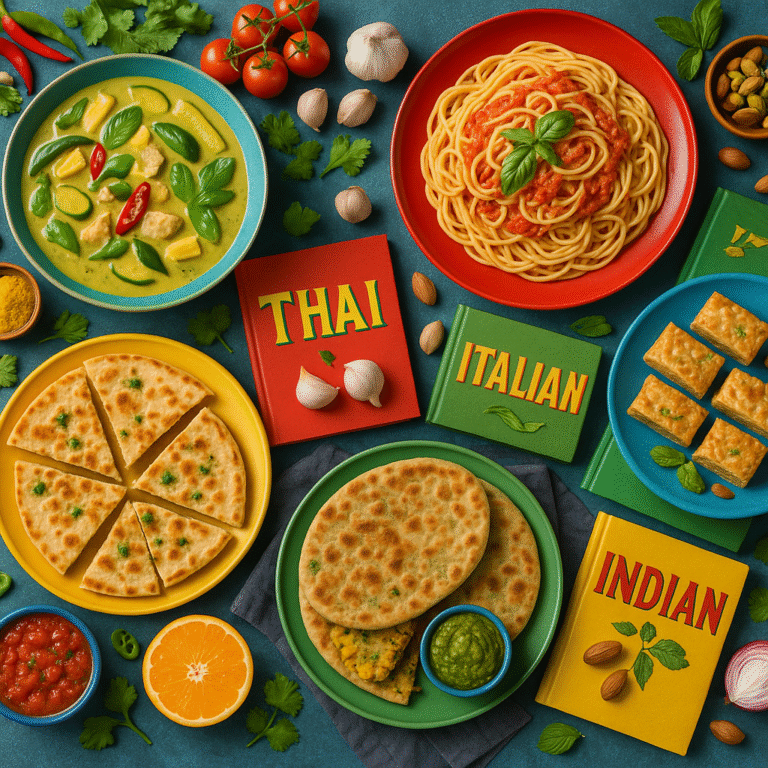
Cooking together is one of life’s great joys. But it’s more than just preparing food—it’s a journey of discovery, learning, and cultural connection. Imagine transforming your weekends into exciting culinary expeditions by hosting monthly or bi-weekly cook-alongs exploring dishes from different countries. This blog invites families and friends to expand their palates, dive into global flavors, and create lasting memories—one delicious dish at a time.
Why Global Cook-Alongs?
In a world so beautifully interconnected, food serves as an unparalleled bridge across cultures. Global cook-alongs are a fantastic way to:
- Expand Palates and Culinary Skills: Traveling taste buds beyond comfort zones helps discover new ingredients, techniques, and recipes.
- Create Family Bonding Moments: Cooking side by side encourages teamwork, storytelling, and shared laughter.
- Experience Cultural Learning: Unpack the history, geography, and traditions behind the food for a richer experience.
- Cultivate Curiosity and Open-mindedness: Introducing children to new flavors nurtures adventurous eating habits and appreciation for diversity.
- Celebrate Holidays, Festivals, and Traditions: Learn how food shapes celebratory moments worldwide.
Planning Your Global Cook-Along Series
To make your culinary adventure smooth and memorable, consider:
- Set a Schedule: Choose monthly or bi-weekly, depending on your energy and family’s availability.
- Pick Themes: Pick one country or region per session or mix it up by cooking fusion dishes.
- Prepare Ingredients Ahead: Many dishes call for specialty ingredients; sourcing in advance helps keep cooking stress-free.
- Involve Everyone: Assign roles based on age and skills—kids can wash veggies, mix sauces, or set the table.
- Document the Journey: Keep a food journal or photo album of dishes, experiments, and funny moments.
- Research Cultural Facts: Share tidbits about the food’s country of origin—like festivals, ingredients’ history, or family customs.
Month 1: Thai Curries – The Dance of Spice and Coconut
Dish Ideas
- Classic Green Curry with chicken and veggies
- Mild Massaman Curry (perfect for children)
- Hot and fragrant Tom Yum Soup
Cooking Fun
Families can learn about Thai use of fresh herbs like kaffir lime leaves, galangal, and basil. Thai cooking often balances five flavors: sweet, sour, salty, bitter, and spicy—try identifying these while tasting.
Learning Moment:
Discuss how Thailand’s tropical climate influences its fresh herbs and ingredients.
Month 2: Italian Pastas – Simple Elegance
Dish Ideas
- Hand-rolled Tagliatelle with a rich bolognese sauce
- Garlic and olive oil Spaghetti Aglio e Olio
- Pesto Genovese made from scratch in a mortar and pestle
Shared Joy
Make pasta from scratch—a fun tactile activity for kids! Teach the importance of “al dente,” the tradition of using fresh local ingredients, and why pasta remains a staple of Italian life.
Fun Fact:
Did you know Italians often eat fresh pasta the same day it’s made? This enhances taste and texture!
Month 3: Middle Eastern Desserts – Sweet Stories
Dish Ideas
- Flaky Baklava layered with pistachios and honey
- Creamy Muhallabia (milk pudding with rose water and pistachios)
- Crispy Knafeh with cheese and syrup
Cultural Connection
Introduce spices like cardamom and rosewater, staples in Middle Eastern sweets. Share stories of celebrations such as Ramadan and how desserts mark special moments.
Family Experience:
Kids can practice layering filo sheets or crushing nuts, creating both memories and sweet treats.
Month 4: Fusion Indian Recipes – Tradition Meets Innovation
Dish Ideas
- Indo-Chinese Gobi Manchurian (crispy cauliflower in spicy sauce)
- Paneer Tikka Quesadilla with mint chutney salsa
- Masala Mac and Cheese
Creative Twist
Discuss colonial history and how global trade influenced Indian cuisine. Fusion dishes encourage blending techniques and flavors for modern tastes.
Learning Insight:
Encourage kids to invent their own fusion recipe using favorite spices or ingredients.
Month 5: Japanese Basics – Umami and Harmony
Dish Ideas
- Miso soup with tofu and wakame
- Onigiri (rice balls) with fillings like salted salmon or pickled plum
- Simple Tempura vegetable mix
Cultural Experience
Discover Umami, Japan’s fifth taste, and the delicate balance in Japanese cooking. Make it fun with origami napkins and learn about Japanese dining etiquette.
Fun Fact:
Rice is a sacred symbol in Japan, embedded deeply in culture and religion.
Month 6: Mexican Fiesta – Flavorful and Festive
Dish Ideas
- Soft Tacos al Pastor with pineapple salsa
- Guacamole and homemade tortilla chips
- Sweet Churros dusted with cinnamon sugar
Shared Moments
Make tortillas from scratch or mix homemade spice blends. Talk about Día de los Muertos and how food celebrates ancestors.
Family Activity:
Play traditional Mexican music while cooking to create ambiance.
Tips for Success in Your Cook-Alongs
Meal Prep Efficiency
- Chop veggies and organize spices the night before.
- Use slow-cooker or instant pot options when possible for complex dishes.
- Clean as you go to keep space manageable.
- Allow children to have hands-on roles like kneading dough, chopping under supervision, or plating food.
Storage Ideas
- Invest in leakproof containers and bento boxes with compartments.
- Freeze extras for quick future meals or school lunches.
- Include insulated bags or ice packs to keep food fresh, especially for warm-weather dishes.
Nutritious and Appealing Lunchbox Hacks
- Balance grains, proteins (paneer, lentils, chickpeas), and colorful vegetables.
- Add fun shapes and vibrant colors using cookie cutters and fresh fruits.
- Include a small treat—energy balls, homemade muffins—for excitement.
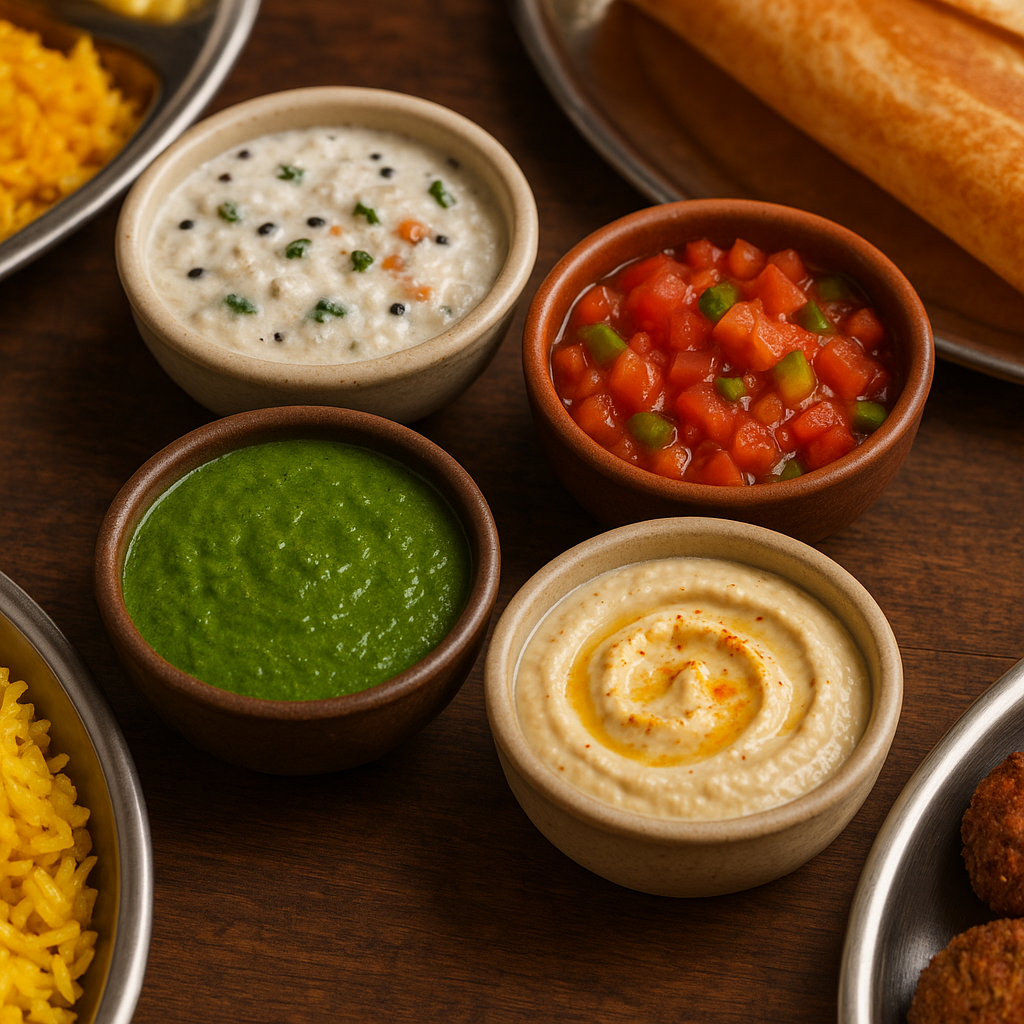
- Pack dips like yogurt raita, peanut chutney, or hummus to encourage veg eating.
Family Stories and Cultural Fun
Cooking globally at home offers rich storytelling opportunities:
- Share original country songs or videos while preparing meals.
- Discuss holidays connected to dishes (Loy Krathong for Thai food, Diwali for Indian sweets).
- Invite kids or teens to pick the month’s country or dish, fostering ownership.
The Transformative Power of Food and Togetherness
Global cook-alongs do more than fill bellies—they foster curiosity, cultural appreciation, and family joy. Children learn resilience through new tastes and textures. Everyone bonds through shared traditions, meals, and laughter. These moments cultivate lifelong skills—adaptability, cooking confidence, and cross-cultural empathy.
Conclusion: Begin Your World Food Adventure!
Turn your next weekend into a global culinary journey—one that excites the palate and teaches the heart. By planning monthly or bi-weekly cook-alongs, you create ritual space for tasting new cultures, strengthening family bonds, and savoring moments of discovery together.
No passport needed—just an open mind, some fresh ingredients, and a pinch of adventurous spirit. Bon appétit!