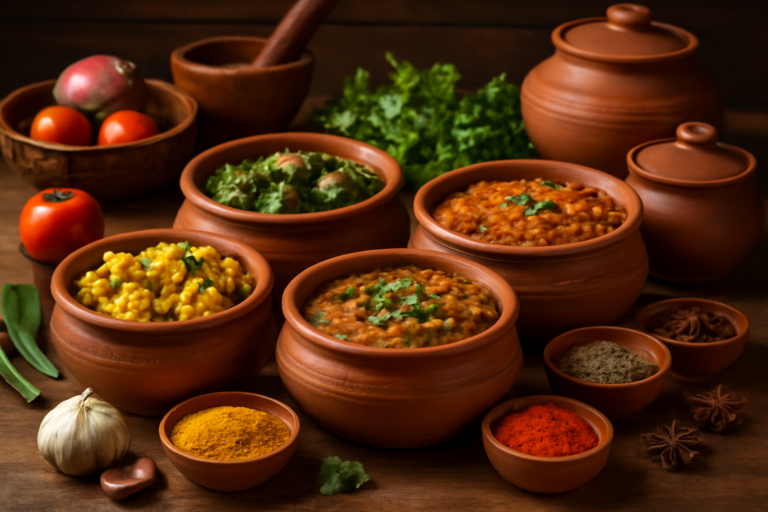
There’s something extraordinarily heartwarming about recipes passed down through generations — the smells, tastes, and memories that transport us back to simpler times. At the heart of every Indian household, especially grandma’s kitchens, lie the timeless secrets of classic Indian vegetarian curries. These dishes, steeped in tradition yet evolving with every new cook, embody comforting flavors that nourish the soul and bring families together around the dining table.
In this blog post, we’ll explore how to unlock the magic of traditional Indian vegetarian curries with simple, approachable steps. Whether you’re a beginner or an experienced home cook, you’ll find inspiration and practical guidance to bring these cherished recipes into your own kitchen without fuss. From ingredients to preparation tips, history, and cultural significance, this post is your gateway to creating delicious curries that taste like grandma’s kitchen—made simple.
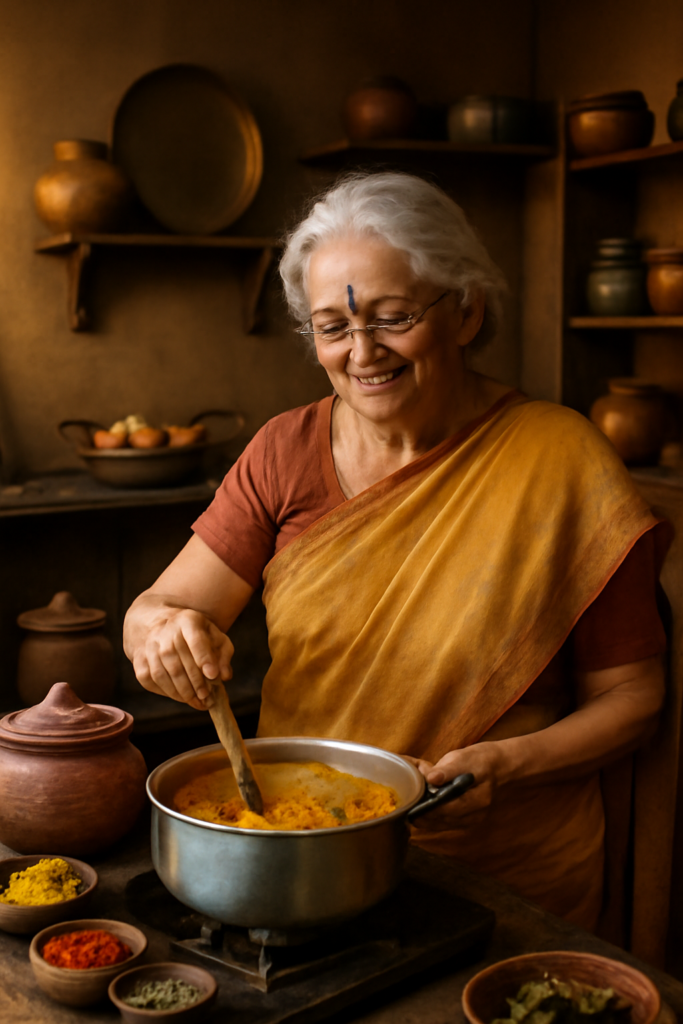
Why Classic Indian Vegetarian Curries?
Indian vegetarian curries are much more than mere meals; they are culinary stories told with spices, vegetables, and love. What makes curries from grandma’s kitchen so special?
- Rich, layered flavors: Slow cooking and balanced spice blends create layers of depth that bring vegetables alive.
- Healthy and hearty: Curries often use pulses, fresh vegetables, and minimal oil, making them wholesome meals. Learn more about the health benefits of Indian vegetarian cuisine
- Cultural heritage: Each curry tells a story of the region, season, and family traditions.
- Versatility: From dry stir-fries to luscious gravies, there is a curry for every mood and occasion.
Grandmothers’ recipes often balance the nutritional with the nostalgic, turning every bite into a joyous experience that comforts and energizes.
Essential Ingredients Every Indian Kitchen Should Have
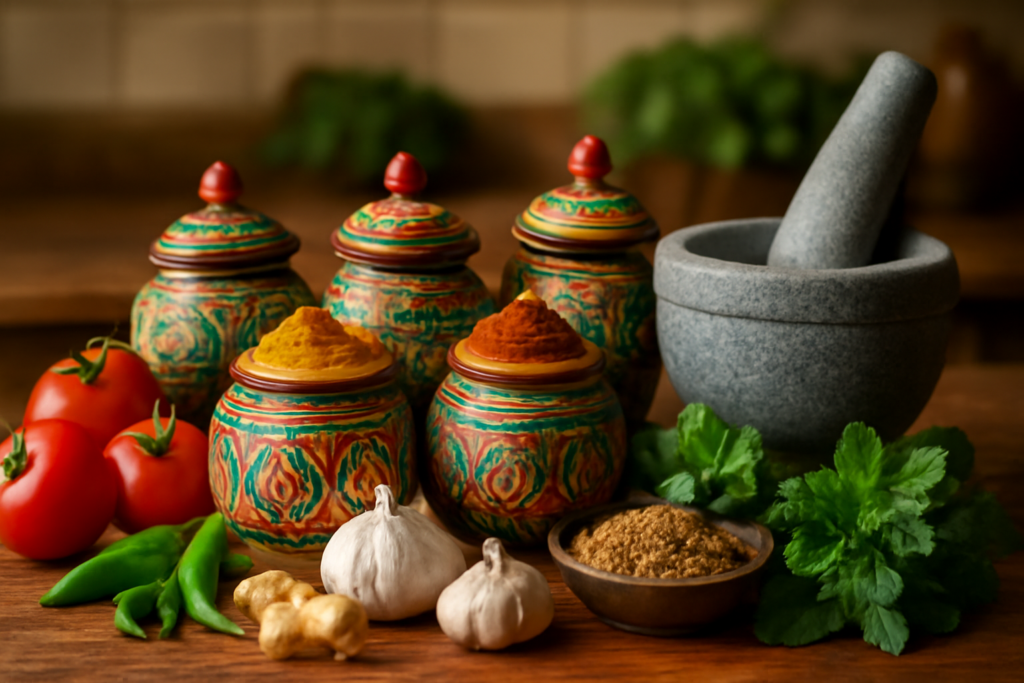
Grandma’s simplest curries often start with the same key pantry staples. Here’s a quick rundown of the must-haves:
- Whole and ground spices: cumin, coriander, turmeric, mustard seeds, garam masala, red chili powder.
- Fresh aromatics: ginger, garlic, green chilies, onions.
- Dals and legumes: yellow moong dal, chana dal, red lentils.
- Vegetables: potatoes, eggplants, spinach, cauliflower, okra.
- Herbs: fresh coriander leaves.
- Acids: tomatoes, tamarind, lemon juice.
- Cooking mediums: ghee, mustard oil, or vegetable oil.
Using fresh and quality spices, as grandma did, ensures an authentic and fragrant curry every time. For tips on spice usage, check out VahChef’s spice tutorials
Five Classic Vegetarian Curries from Grandma’s Kitchen
Let’s walk through five beloved curries commonly found across Indian homes, simplified with clear preparation methods and tips to make them easy and enjoyable.
1. Aloo Matar (Potato and Peas Curry)
Why we love it: Comforting, mildly spiced, and a perfect weeknight curry.
Ingredients: potatoes, green peas, tomatoes, ginger-garlic paste, turmeric, cumin, coriander powder, garam masala.
Preparation:
- Boil cubes of potatoes until just tender.
- Sauté cumin seeds in oil, add onions and ginger-garlic paste until aromatic.
- Add tomatoes, turmeric, coriander powder, and chili powder; cook until oil separates.
- Stir in potatoes and peas, add water, simmer till flavors meld.
- Finish with garam masala and fresh coriander.
Tips: Use fresh or frozen peas. Pressure cooking saves time.
History: Aloo Matar is a North Indian household staple, loved for its simplicity and satiating flavors.
2. Baingan Bharta (Smoky Mashed Eggplant)
Why we love it: Unique smoky flavor, balanced spices, and rustic feel.
Ingredients: large eggplants, onion, green chili, tomatoes, mustard seeds, cumin, coriander, fresh coriander leaves.
Preparation:
- Roast eggplants until their skin chars and flesh softens.
- Peel and mash the pulp.
- In a pan, temper mustard seeds, sauté onions, tomatoes, and spices.
- Add mashed eggplant; cook gently.
- Garnish with coriander leaves.
Tips: Roast eggplants over an open flame for authentic flavor; here’s an BBC guide on Indian vegetarian cooking (opens in a new tab).
History: Baingan Bharta is a Punjabi favorite, showcasing smoky flavors and simple spices.
3. Chana Masala (Spiced Chickpeas)
Why we love it: Protein-packed, tangy, and robust.
Ingredients: chickpeas, onions, tomatoes, ginger-garlic, garam masala, cumin, amchur (dry mango powder).
Preparation:
- Soak chickpeas overnight; pressure cook until tender.
- Sauté onions, ginger, and garlic. Add tomatoes, spice powders, and cook till oil floats.
- Add chickpeas and simmer.
- Stir in amchur for tang.
Tips: Canned chickpeas can be a shortcut, rinsed before use.
History: Originated in North India, chana masala is widely loved for its tangy, spiced profile.
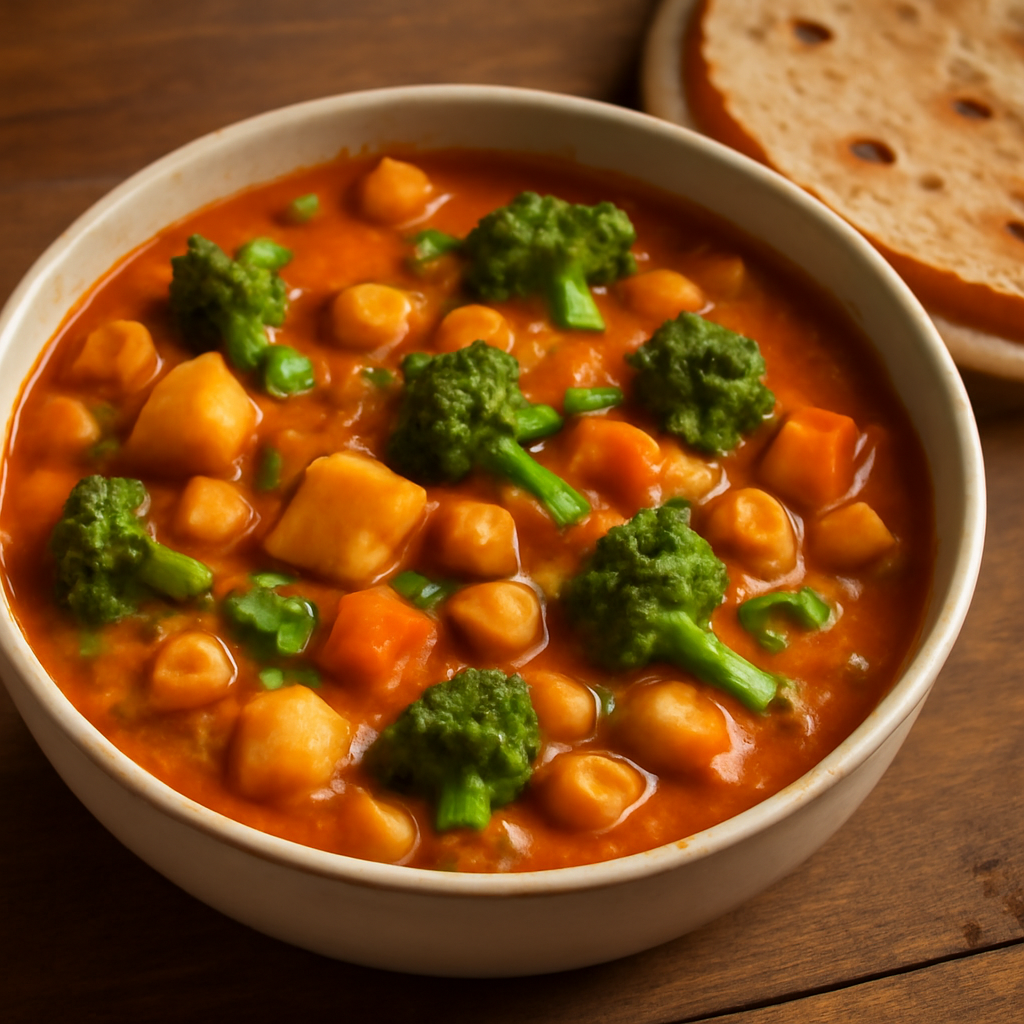
4. Palak Paneer (Spinach and Cottage Cheese)
Why we love it: Creamy, nutrient-rich, and indulgent yet vegetarian.
Ingredients: fresh spinach, paneer cubes, onions, garlic, garam masala, cream or yogurt.
Preparation:
- Blanch spinach and puree it.
- Sauté onions and garlic, add spice powders.
- Mix in spinach puree and cook.
- Add paneer cubes and simmer.
- Stir in cream/yogurt before serving.
Tips: Press paneer to remove excess water for better texture.
History: Palak paneer gained popularity as a North Indian restaurant favorite, adapted from traditional saag dishes.
5. Mixed Vegetable Kurma (South Indian Style)
Why we love it: Rich coconut-based curry with varied textures and mild spices.
Ingredients: mixed vegetables (carrots, beans, peas), coconut, green chilies, cumin, fennel, cardamom, yogurt.
Preparation:
- Grind coconut with chilies and spices.
- Sauté onions, add chopped vegetables and the coconut paste; cook till tender.
- Add yogurt for tanginess and thickness.
Tips: You can substitute yogurt with coconut milk for vegan version.
History: Kurma is a traditional Tamil Nadu curry integrating coconut and fragrant spices.
The Art of Balancing Flavors in Vegetarian Curries
Grandma’s curries achieved harmony by balancing:
- Heat (chilies)
- Earthiness (turmeric, cumin)
- Sweetness (onion, tomato caramelization)
- Sourness (tamarind, lemon, amchur)
- Creaminess (yogurt, coconut, ghee)
Learning to taste and tweak as you cook brings you closer to mastering the art.
Tips to Make Curries Like Grandma
- Always roast whole spices before grinding for fresher flavor.
- Don’t rush the sautéing of onions and aromatics—it builds the curry’s base.
- Use fresh, seasonal vegetables for the best taste.
- Experiment with tempering (tadka) techniques—mustard seeds, curry leaves, garlic in hot oil add layers.
- Finish with fresh herbs and a squeeze of lemon for brightness.
Why Cooking Grandma’s Curries Made Simple Matters Today
Modern life can be fast, but making curries from scratch need not be complicated or time-consuming. By simplifying steps while preserving essential flavors and techniques, we honor tradition while adapting to today’s kitchen realities. Cooking these curries connects us with heritage, celebrates vegetarianism, and keeps family bonds strong over shared meals.
Conclusion: Your Journey to Grandma’s Kitchen Starts Now
Classic Indian vegetarian curries carry the warmth of generations in every bite—simple yet soulful, humble yet rich. With a handful of pantry essentials, some fresh produce, and the timeless techniques shared here, you can bring these comforting flavors into your own home kitchen. Whether it’s a busy weekday or a festive occasion, these curries make every meal special.
As you experiment with these recipes, share your stories, tweaks, and experiences. Celebrate the joy of cooking with family and the timeless magic of grandma’s kitchen—made simple, made yours.
Ready to dive into one of these classic curries today? Try our simple, step-by-step recipes and bring the authentic taste of Indian vegetarian cooking home. Your kitchen — and your loved ones — will thank you.
#IndianVegetarianCurries #IndianCurryRecipes #VegetarianCurry #EasyIndianRecipes #HomemadeCurries #TraditionalIndianFood #HealthyIndianFood #GrandmasKitchen #SimpleCurryRecipes #IndianFoodLovers