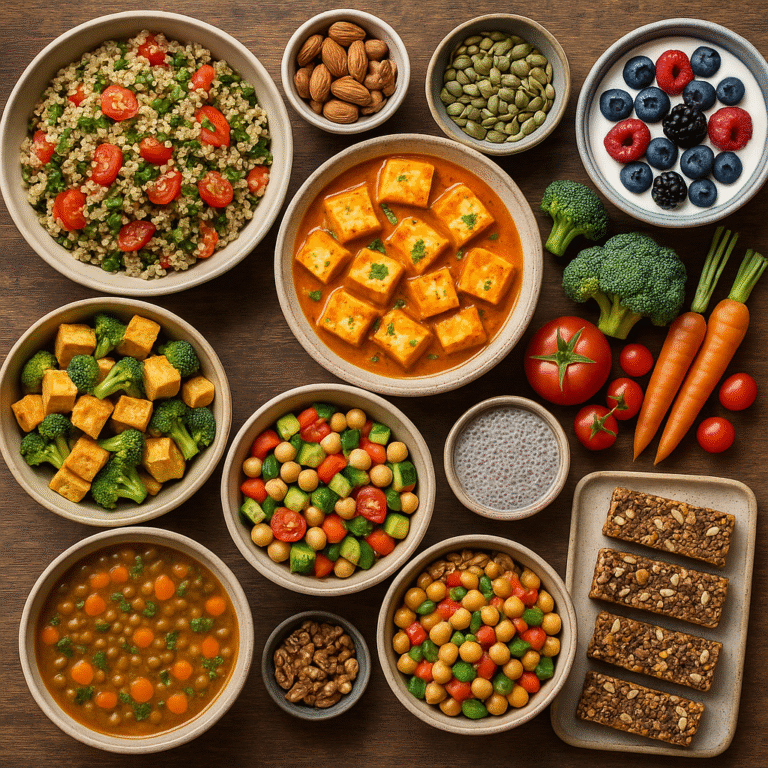
Introduction – Why Protein Matters for Vegetarians
Eating enough protein is a top priority for every fitness enthusiast, but for vegetarians, it can feel especially daunting. With so many fitness blogs and gym conversations focused on meat and eggs, vegetarians may worry their meals aren’t measuring up—especially if muscle gain, sustained energy, or healthy weight management is the goal. But the truth? Vegetarians can get all the protein they need, and then some, from a thoughtful, varied, and delicious diet.
This guide is your go-to resource for high-protein vegetarian meal ideas—meals you’ll crave, packed with muscle-building nutrition, and perfect for both aspiring athletes and those who simply want to eat well. By embracing the world of lentils, beans, soy, dairy, grains, nuts, and seeds, you open up a world of creative, satisfying cooking that supports every fitness journey.
The Role of Protein in Fitness and Muscle Building
Protein is essential for everyone, but even more so for those aiming for fitness and muscle gain. When you exercise, especially with resistance or weights, your muscles undergo small amounts of damage that need repair. Protein supports:
- Repair and growth of muscle fibers after exercise
- Maintenance of lean muscle mass
- Stronger bones, hair, skin, and immune function
- Fullness and stable blood sugar, which aids fat loss and energy
For vegetarians, meeting protein goals might mean thinking outside the box—but with the right knowledge, it’s totally achievable.
Common Protein Myths in Vegetarian Diets
Let’s set the record straight:
- Myth 1: Vegetarian diets are short on protein
Fact: With legumes, soy, dairy, nuts, and grains, vegetarians can easily meet recommended intakes. - Myth 2: Only animal proteins are “complete”
Fact: Most plant proteins have slightly different amino acid profiles, but a varied vegetarian diet provides all essential amino acids. - Myth 3: You need protein supplements all the time
Fact: Protein powder can help, but most vegetarians can reach targets through real meals.
Understanding Protein Needs for Vegetarians
How Much Protein Do You Need Daily?
- For general health: 0.8–1.0g per kg of healthy body weight per day
- For muscle gain or athletes: 1.2–2.0g per kg of body weight per day
- Example: A 70kg adult aiming for fitness should target 80–110g protein daily
Remember, every individual’s needs can vary, especially by age, activity, muscle mass, and specific health goals.
Factors Influencing Protein Requirements
Age, Activity Level, and Health Goals
- Children, teens, and pregnant women need more protein for growth.
- Strength trainers, athletes, and very active adults need more for muscle repair and energy.
- Older adults benefit from higher protein to prevent muscle loss.
- Weight loss goals may require higher protein to support satiety and protect lean mass.
Best Sources of Vegetarian Protein
Legumes and Lentils
- Kidney beans, chickpeas, black beans, lentils, pigeon peas, and black-eyed peas
- Protein: 7–9g per 1/2 cup cooked
- Add to curries, salads, soups, wraps, or chillas
Soy Products (Tofu, Tempeh, Soy Milk)
- Tofu: 8g protein per 100g
- Tempeh: 19g protein per 100g
- Soy milk: 8g per cup
- Great for stir-fries, scrambled, grilled, or in smoothies
Dairy Products (Paneer, Greek Yogurt, Cheese)
- Paneer: 18g protein per 100g
- Greek yogurt: 10g per 100g
- Cheese (esp. cottage cheese): 11g per 100g
- Enjoy in parathas, wraps, curries, or with fruit and nuts
Nuts and Seeds
- Almonds, peanuts, pumpkin seeds, chia, flax, and sunflower seeds
- Protein: 5–7g per 30g (1 oz)
- Blend into smoothies, use as snack, sprinkle in salads or oatmeal
Whole Grains (Quinoa, Brown Rice, Oats)
- Quinoa: 8g protein per cup cooked
- Brown rice: 5g per cup cooked
- Oats: 6g per cup cooked
- Perfect for pulaos, porridge, salads, and Buddha bowls
High-Protein Vegetarian Breakfast Ideas
Protein-Rich Smoothie Bowls
Blend Greek yogurt or soy yogurt with berries, banana, spinach, a scoop of protein powder, and nut butter. Top with chia seeds and roasted almonds for extra crunch and protein.
Chickpea Flour Pancakes (Besan Chilla)
Besan mixed with water, turmeric, chili, and chopped veggies. Pan-fried until golden. Serve with Greek yogurt or mint chutney.
Overnight Oats with Nut Butter and Seeds
Rolled oats, soy/almond/regular milk, chia seeds, and a dollop of peanut or almond butter left overnight. Top with nuts and fruit.
Moong Dal Cheela with Paneer Stuffing
Savory pancakes from blended soaked moong dal. Fill with crumbled paneer and spices, then fold and cook. High in protein and very filling!
High-Protein Vegetarian Lunch Ideas
Quinoa and Black Bean Salad
Cooked quinoa, canned or boiled black beans, corn, bell pepper, cucumber, and a citrusy vinaigrette. Add feta or paneer for extra protein.
Rajma Brown Rice Bowl
Classic red kidney bean curry (rajma) with steamed brown rice. Garnish with coriander and a lemon wedge.
Paneer Tikka Wrap with Whole Wheat Roti
Marinated grilled paneer, fresh salad, and green chutney wrapped in a roti or tortilla. Delicious hot or cold for lunchboxes too.
High-Protein Buddha Bowl
Layer cooked chickpeas or green moong, roasted veggies, sautéed greens, nuts, seeds, and a yogurt-tahini drizzle. Flexible and nutrient-dense.
High-Protein Vegetarian Dinner Ideas
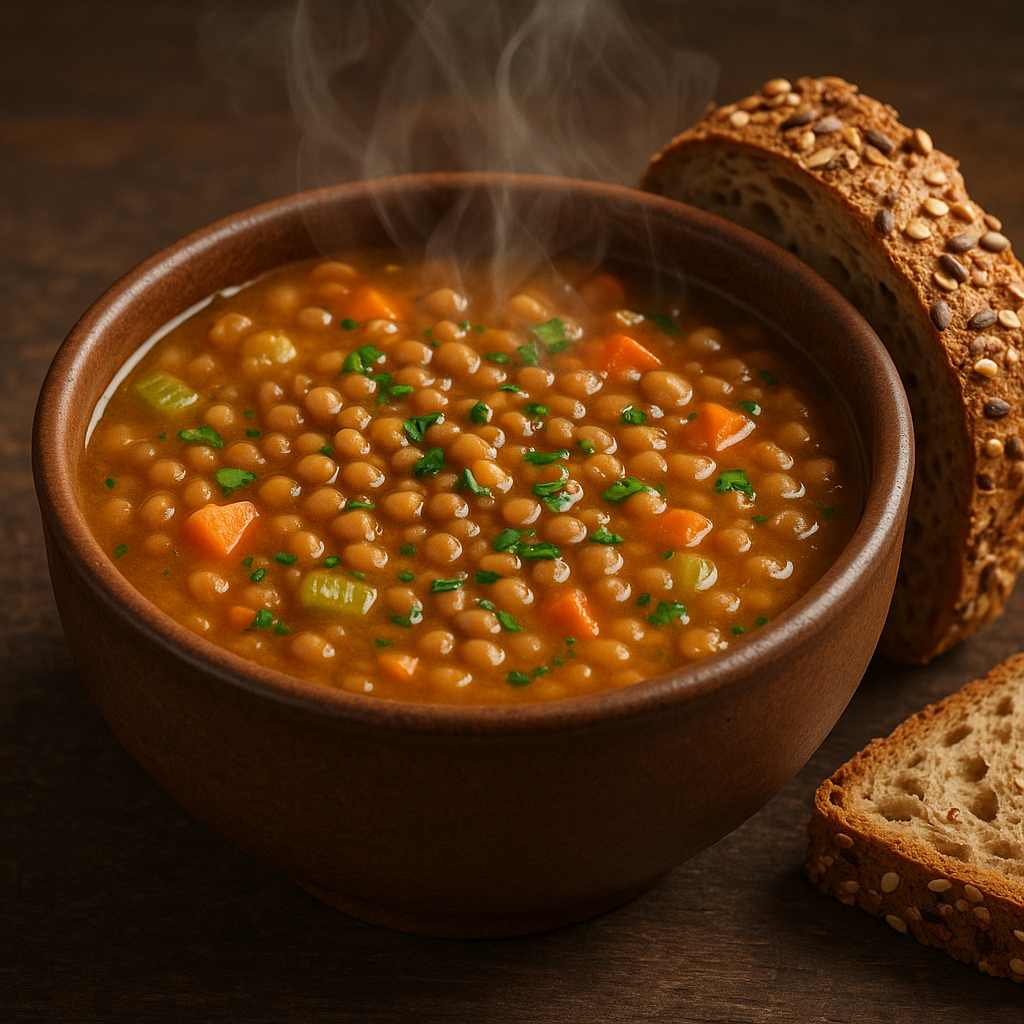
Lentil Soup with Multigrain Bread
A hearty soup of mixed dals/lentils, carrots, tomatoes, and spices. Serve with toasted multigrain bread or rotis for completeness.
Stuffed Bell Peppers with Quinoa and Chickpeas
Halved bell peppers filled with a mixture of sautéed onion, tomato, quinoa, boiled chickpeas, and spices. Bake until golden.
Palak Paneer with Millet Roti
Homemade palak paneer served with fiber-rich bajra or jowar roti. Tastes like comfort food, fuels muscles.
Vegetable Stir-Fry with Tofu
Stir up assorted vegetables and tofu cubes in sesame oil, ginger, garlic, and soy sauce. Top with roasted sesame seeds for extra protein.
High-Protein Vegetarian Snacks
Roasted Chickpeas
Toss chickpeas with a touch of olive oil and spices. Bake until crispy for a crunchy snack rich in protein and fiber.
Greek Yogurt with Berries and Chia Seeds
A quick parfait of yogurt, fresh or frozen berries, and a sprinkle of chia or flaxseed. Sweeten with a drizzle of honey.
Protein Bars (Homemade)
Blend oats, dates, nuts, a scoop of protein powder, and peanut butter. Shape and chill. Slice into bars for on-the-go fuel.
Sprouted Moong Salad
Sprouted mung beans tossed with chopped tomato, cucumber, green chili, lemon juice, and a pinch of chaat masala.
Cooking Tips to Boost Protein Content
Combining Different Protein Sources
Mix legumes with grains (dal-rice, hummus with whole-wheat pita) to boost amino acid balance.
Adding Seeds and Nuts to Meals
Sprinkle pumpkin, flax, or sunflower seeds onto salads, oatmeal, smoothie bowls, and curries for additional protein and healthy fats.
Using Protein Powders in Vegetarian Recipes
Add unflavored or lightly sweetened plant/dairy protein powder to smoothies, oats, parathas, or homemade bars for an instant boost.
Mistakes to Avoid in a Vegetarian High-Protein Diet
Over-Reliance on Processed Protein Products
While mock meats and protein bars are convenient, base your meals on whole foods (beans, lentils, nuts, dairy) for better nutrition.
Skipping Variety in Protein Sources
Rotate between different beans, grains, soy, dairy, seeds, and nuts to cover the full amino acid spectrum and prevent nutritional gaps.
Conclusion – The Vegetarian Protein Advantage
With the right ingredients and a bit of planning, a vegetarian high-protein diet offers every advantage: muscle repair, energy, satiety, weight management, and all the flavor and diversity of a plant-rich kitchen. For fitness lovers, athletes, and anyone wanting to live well—powering up with protein is not just possible, it’s downright delicious!
FAQs
Q: Can vegetarians get enough protein without supplements?
A: Absolutely. A variety of legumes, soy, dairy, grains, nuts, and seeds easily meet protein needs for most vegetarians.
Q: What is the best high-protein breakfast for vegetarians?
A: Smoothie bowls with Greek yogurt and nuts, besan chilla, moong dal cheela with paneer, or overnight oats with nut butter.
Q: Do plant proteins “count” as much as animal proteins for muscle gain?
A: Yes, especially if you combine different plant sources for full amino acid coverage. Soy, dairy, and most legumes are high-quality proteins.
Q: Is it safe to eat soy products every day?
A: Yes! For most people, 1–2 servings of non-GMO soy (tofu, soy milk, tempeh) daily are considered healthy and beneficial.
Q: How can I make my meals higher in protein if I’m short on time?
A: Use Greek yogurt, pre-cooked beans, cottage cheese, protein powder, or nuts and seeds as quick add-ons to snacks and meals.
Find more inspiration, meal plans, and family-approved recipes at 2PrincessFood! Eat smart, feel strong, and enjoy every flavorful, protein-filled bite—vegetarian style.