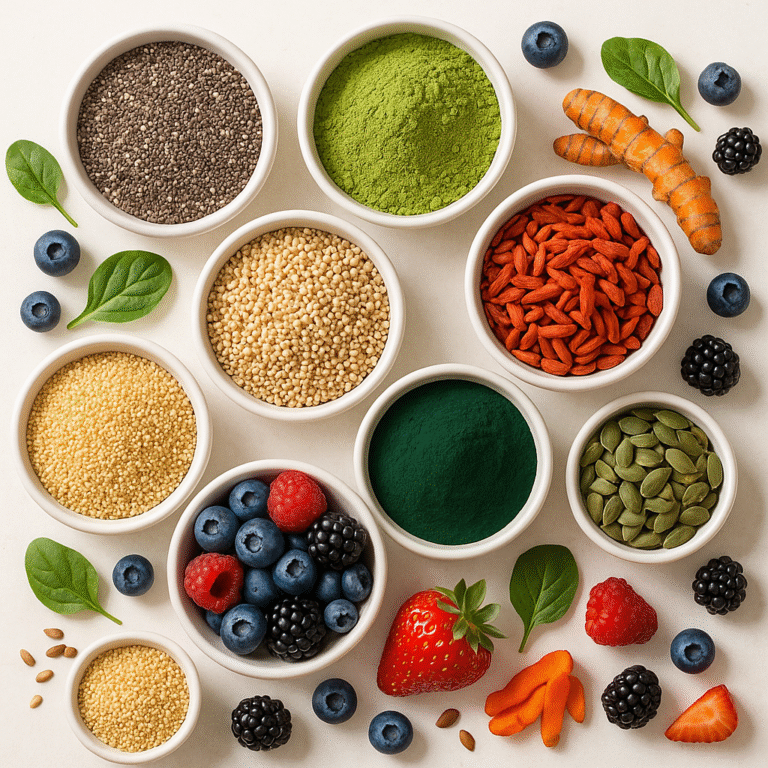
Introduction: Why Superfoods Matter
The pursuit of good health isn’t just about calories and macronutrients—it’s about feeding the body nutrient-dense foods that support energy, immunity, clear skin, and lifelong wellness. That’s where superfoods come in: ingredients so rich in vitamins, minerals, protein, fiber, and antioxidants that they outshine ordinary staples. Whether you’re new to healthy eating or a seasoned wellness enthusiast, integrating superfoods like chia seeds, quinoa, moringa, and others into your meals can help you feel vibrant and strong, inside and out.
In this guide, discover the science, benefits, and simple ways to use the world’s most powerful superfoods. We’ll show you how to upgrade your meals, boost your nutrition, and get creative in the kitchen—all with easy, practical tips.
What Are Superfoods?
Superfoods are foods that offer exceptional nutritional density—or, simply, more health benefits per bite. While no single food is a magic cure, eating more superfoods can balance your nutrition and help prevent or ease many common ailments, from fatigue and inflammation to high cholesterol and digestive problems.
Chia Seeds: Tiny Seeds, Mega Benefits
What Makes Chia Seeds a Superfood?
Chia seeds have skyrocketed to fame for their extraordinary nutrition profile. Just a tablespoon or two adds protein, omega-3 fatty acids, fiber, calcium, magnesium, phosphorus, and a remarkable set of antioxidants to your diet. By weight, chia seeds are about 17% protein, 31% fat (mostly healthy fats), and 42% carbohydrates—of which most is fiber.
Health Benefits
- Omega-3 Fatty Acids: These plant-based omega-3s (ALA) are linked to better brain and heart health.
- Fiber for Digestion & Fullness: Each ounce supplies almost 10 grams of fiber—one third of daily needs—great for controlling blood sugar, keeping you regular, and helping with weight management.
- High in Antioxidants: Chia shields cells from damage, lessening inflammation and risk of chronic disease.
- Vital Minerals: Outstanding source of calcium, magnesium, and phosphorus for bone and muscle health.
- Blood Sugar Regulation: Chia’s gel-forming fiber slows sugar absorption, leveling blood glucose.
- Heart Health: Lowers blood pressure and LDL (bad) cholesterol, raising protective HDL cholesterol.
- Easy to Use: Sprinkle into smoothies, oatmeal, yogurt, and salads, or use to thicken puddings and jams.
Quinoa: The Ancient Grain Powerhouse
Why Quinoa?
This gluten-free South American grain is a complete protein (contains all nine essential amino acids), making it invaluable for vegetarians and vegans. It’s packed with iron, magnesium, phosphorus, B vitamins, and fiber.
Health Benefits
- Complete Protein: Essential for muscle repair, metabolic health, and feeling full.
- High in Fiber: Supports digestion and blood sugar control.
- Rich in Minerals: Magnesium boosts energy and calms nerves; iron supports oxygen flow.
- Naturally Gluten-Free: Safe for those with celiac or gluten sensitivity.
- Easy Recipes: Use as a substitute for rice or pasta, add to salads, veggie bowls, breakfast porridge, or make quinoa patties.
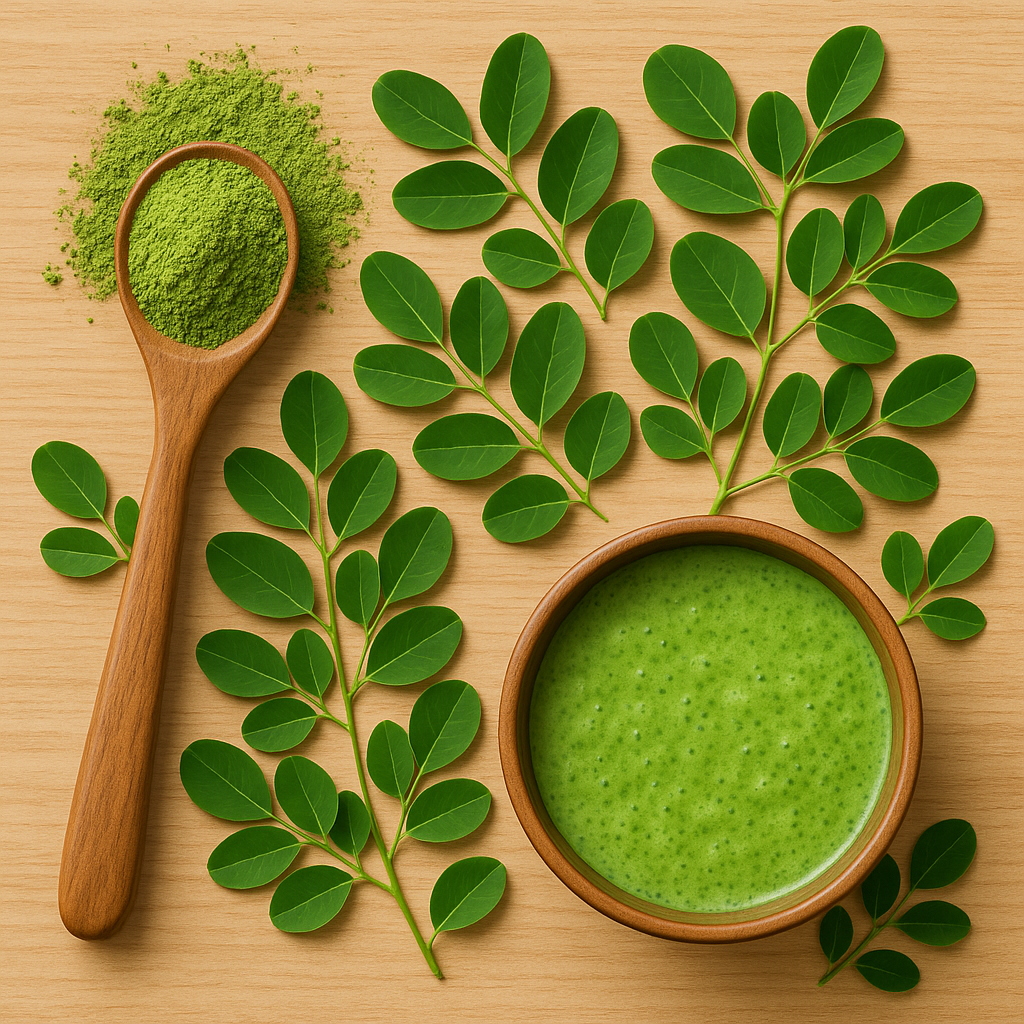
Moringa: The Miracle Tree
What is Moringa?
Moringa oleifera, known as the “drumstick tree,” is native to India and Africa. Leaves, pods, seeds, and powder are celebrated for their exceptionally high nutrient profile.
Health Benefits
- Unmatched Vitamins & Minerals: Rich in vitamin C, iron, potassium, calcium, and vitamin A.
- Protein Boost: 2g per tablespoon of leaf powder; exceptional for plant-based diets.
- Antioxidant & Anti-inflammatory Support: Contains quercetin, chlorogenic acid, and beta-carotene to fight oxidative stress.
- Blood Sugar & Cholesterol Control: Shown to lower sugar and cholesterol in clinical studies.
- How to Use: Add powder to smoothies, stir into soups/stews, use fresh leaves in sambhar, curries, or add pods to dal.
More Superfoods To Add To Your Diet
Flaxseeds
- Why: Rich source of plant-based omega-3, fiber, and lignans (antioxidant compounds).
- Benefits: Supports heart health, aids digestion, can reduce hot flashes in women.
- How to Use: Ground seeds in smoothies, yogurt, roti dough, or as an egg substitute in vegan baking.
Spirulina
- Why: Blue-green algae loaded with protein, B vitamins, iron, and powerful antioxidants like phycocyanin.
- Benefits: Boosts energy, strengthens immunity, helps detoxify heavy metals.
- How to Use: Mix powdered spirulina into smoothies or energy bites.
Goji Berries
- Why: Antioxidant-packed dried fruit hailed for anti-aging and immune support.
- Benefits: Vitamin A, vitamin C, iron, and eye-protecting carotenoids.
- How to Use: Snack on dried berries or add to oatmeal, trail mixes, and tea.
Pumpkin Seeds
- Why: High in healthy fats, zinc, magnesium, and protein (7g per quarter cup).
- Benefits: Good for heart health, sleep, and muscle repair.
- How to Use: Sprinkle over salads, yogurt, porridges, or blend in seed butter.
Amaranth
- Why: Ancient grain with impressive protein, fiber, magnesium, and calcium.
- Benefits: Supports bone health, digestion, and hormone balance.
- How to Use: Cook as porridge, use puffed amaranth in snack bars, or stir in dosa/idli batter.
Greek Yogurt
- Why: Strained yogurt higher in protein than regular curd, plus probiotics for gut health.
- Benefits: Builds muscle, supports digestion, and boosts metabolism.
- How to Use: Eaten plain, with fruit, blended in smoothies, or spread on toast.
Turmeric
- Why: This bright yellow root contains curcumin, a potent anti-inflammatory and antioxidant.
- Benefits: Supports joint health, fights cell damage, protects brain and heart.
- How to Use: Add to dals, teas, smoothies, curries, or golden milk.
Berries (Blueberry, Strawberry, Blackberry)
- Why: Dense in vitamin C, low in sugar, and powerful antioxidants.
- Benefits: Enhance immunity, heart health, and skin quality.
- How to Use: Fresh or frozen berries in smoothies, parfaits, oatmeals, or salads.
Easy Ways to Add Superfoods to Your Diet
- Make chia pudding: Mix chia seeds with almond milk and a touch of honey, let sit overnight.
- Swap rice for quinoa: Use quinoa as a base for curry, pulao, or veggie bowls.
- Add Moringa powder to soups or smoothies for a green boost.
- Stir a spoonful of flaxseed or spirulina into morning smoothies.
- Top breakfast oatmeal or yogurt with goji berries, pumpkin seeds, and sliced almonds.
- Make “super seed” rotis using a flour blend with ground flax, amaranth, or chia.
- Use more turmeric in soups, teas, and curries—try a classic golden milk for nighttime calm.
Superfoods: Are They For Everyone?
Superfoods aren’t just for elite athletes or wellness bloggers; they’re for anyone wanting to enhance everyday meals, energy, and resilience. Whether packed into a school lunch, post-workout shake, or simple sabzi, superfoods are adaptable to every cuisine—including regional Indian favorites.
Tips for Buying and Using Superfoods
- Purchase from reputable brands or local markets for freshness and purity.
- Prefer whole seeds and grains over heavily processed “superfood” snacks.
- Store seeds, powders, and berries in airtight containers in cool, dark places.
- Start with small amounts to check for allergies or sensitivities.
- Experiment: Everyone’s optimal diet looks different—find superfoods that fit your taste and lifestyle.
Conclusion: Your Superfood Journey Starts Today
A diet rich in superfoods is a path to lifelong health, energy, and balance. Ingredients like chia seeds, quinoa, moringa, flaxseeds, and berries deliver a nutritional punch far greater than their modest appearance. They’re perfect for busy cooks, fitness enthusiasts, vegetarians, or anyone wanting radiant wellness.
No matter your age, schedule, or health goal, embracing these easy superfood swaps can transform your meals and the way you feel every day. Start with small changes—a sprinkle here, a smoothie there—and see your health flourish.
Ready to add superfoods to your life? Share your favorite recipes or tips, and join the 2PrincessFood community for inspiration, meal plans, and more!
FAQs
Q: Can I eat superfoods every day?
A: Yes! Small daily servings of seeds, grains, berries, or greens support optimum health for most people.
Q: Are superfoods expensive?
A: While imported options can be, most superfoods (like chia, amaranth, moringa, pumpkin seeds) are affordable when bought locally in bulk.
Q: How do I know if a superfood suits me?
A: Start with small amounts, watch for allergies, and give your body time to adjust.
Q: What’s the easiest way to get started?
A: Add chia or flax to your morning oats, swap rice for quinoa in lunch, sprinkle seed mix over veggies or yogurt for a healthy snack.
Explore more superfood inspiration, recipes, and meal plans at 2PrincessFood—your hub for healthy, delicious living.